What Ice Retention Claims on Wholesale Ice Chests Actually Mean — and How to Verify Them
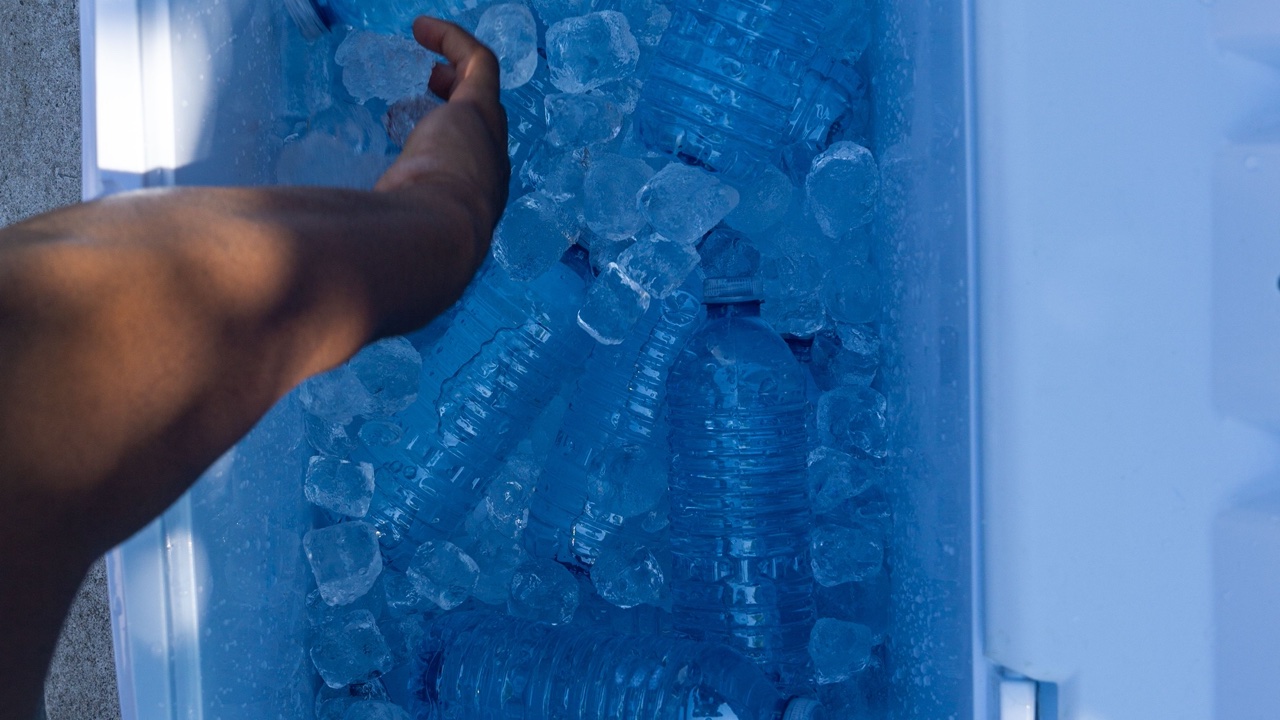
Every ice chest sold at wholesale claims to keep ice for some number of days. “Ice retention up to 5 days.” “Holds ice for 7+ days.” “Tested to retain ice for 10 days.” These numbers are marketing claims derived from controlled test conditions that bear little resemblance to how the products are actually used — and the gap between the advertised figure and real-world performance is one of the most consistent sources of buyer disappointment in the wholesale ice chest category.
Understanding what the numbers mean, what conditions they assume, and how to get useful information from suppliers before placing a large order saves considerable frustration downstream.
How Ice Retention Tests Are Conducted
There is no single standardized test protocol that all manufacturers use to generate ice retention claims. Most claims are based on controlled conditions that maximize ice retention time rather than replicate real use:
Ice ratio: most manufacturers test with a 2:1 or 3:1 ice-to-content ratio by volume — meaning two or three parts ice for every one part food or drink. In practice, most users fill a cooler with more food than ice, which substantially reduces ice retention time.
Pre-chilling: many tests pre-chill the cooler with ice for 24 hours before the official test begins. A pre-chilled cooler shell absorbs much less thermal energy from the ice during the test. Most users don’t pre-chill.
Environmental conditions: test conditions are often 21°C (70°F) ambient temperature in a shaded environment. A cooler left in a car trunk or on a beach in direct sun in 35°C heat is a different environment entirely.
No opening: retention tests are typically conducted with the lid closed throughout. Every time a cooler is opened in real use, warm air displaces the cold air inside, significantly accelerating ice melt.
When a manufacturer claims “5-day ice retention,” that figure almost certainly assumes a pre-chilled cooler with a high ice ratio in a moderate-temperature shaded environment with the lid opened infrequently or not at all. A typical camping or catering use with a 1:1 ice-to-food ratio, ambient temperatures in the high 20s or 30s, and regular access might see two to three days from a product with a 5-day claim.
What Actually Determines Performance
The materials and construction approach determine real-world ice retention:
Insulation thickness and type: the main variable distinguishing premium ice chests from lower-cost options is wall thickness and the type of insulation material. Rotomolded hard coolers with 3-4 inches of polyurethane foam insulation genuinely outperform injection-molded coolers with thinner foam walls. The physics are straightforward — more insulation means slower heat transfer.
Gasket quality: the lid gasket seals the cold interior from warm ambient air. A loose or degraded gasket allows convective heat exchange that substantially reduces retention. A simple test: close the lid on a piece of paper and pull — there should be noticeable resistance along the full seal perimeter. If the paper slides out easily anywhere, the gasket isn’t sealing.
Hinge and latch construction: hinges and latches that allow the lid to flex or sit unevenly create gaps in the gasket seal. Premium coolers use hinges that keep the lid flat against the gasket under load.
Drain plug quality: a poorly sealing drain plug introduces another thermal leak. Check whether the drain plug is threaded or push-in, and test for complete sealing.
How to Request Verifiable Data From Suppliers
When sourcing wholesale ice chests, ask suppliers for test data rather than just claims. Specifically:
Request the test protocol used to generate their ice retention claim: what was the ambient temperature, ice-to-content ratio, whether the cooler was pre-chilled, and how frequently the lid was opened during testing. A supplier with rigorous test data can answer this precisely; one whose claim is marketing-derived will give vague or inconsistent answers.
Ask whether the product has been tested to any third-party standard. The IGBC (Interagency Grizzly Bear Committee) certification in North America requires that coolers pass a standardized predator resistance test — not a performance test, but achieving it requires physical robustness that correlates with quality construction. Some cooler manufacturers also publish ASTM-standard test results for thermal performance.
Request samples and test them yourself under conditions representative of your end use. Fill with a realistic ratio of ice and product, place in the temperature environment your customers will use, and measure how long ice lasts. Compare this against the supplier’s claimed figure. The ratio of actual performance to claimed performance is a useful quality indicator — products that hit 60-70% of claimed retention under realistic conditions are well-constructed; products that hit 20-30% are overclaiming.
Soft vs Hard Coolers for Wholesale Applications
Soft-sided coolers and hard-sided ice chests serve different applications and shouldn’t be evaluated on the same criteria.
Soft coolers prioritize portability and storage footprint. They fold flat when empty, are lighter per unit, and are appropriate for day trips and light-use applications. Their insulation is inherently less effective than equivalent-sized hard coolers, and their claimed retention figures should be evaluated with more skepticism than hard cooler claims.
Hard rotomolded coolers provide the highest ice retention and greatest durability but are heavy, expensive, and take up storage space when empty. They’re the right choice for extended expeditions, catering operations, and applications where multi-day retention matters.
Standard injection-molded hard coolers sit between these extremes — lighter and cheaper than rotomolded, better retention than soft-sided, with retention claims that should be discounted to perhaps 50-60% of the advertised figure under real conditions.
For wholesale buyers supplying retailers or distributors, understanding which category your product actually belongs to — and pricing and positioning it accordingly — avoids the returns and complaints that come from customers expecting rotomolded performance from injection-molded products.